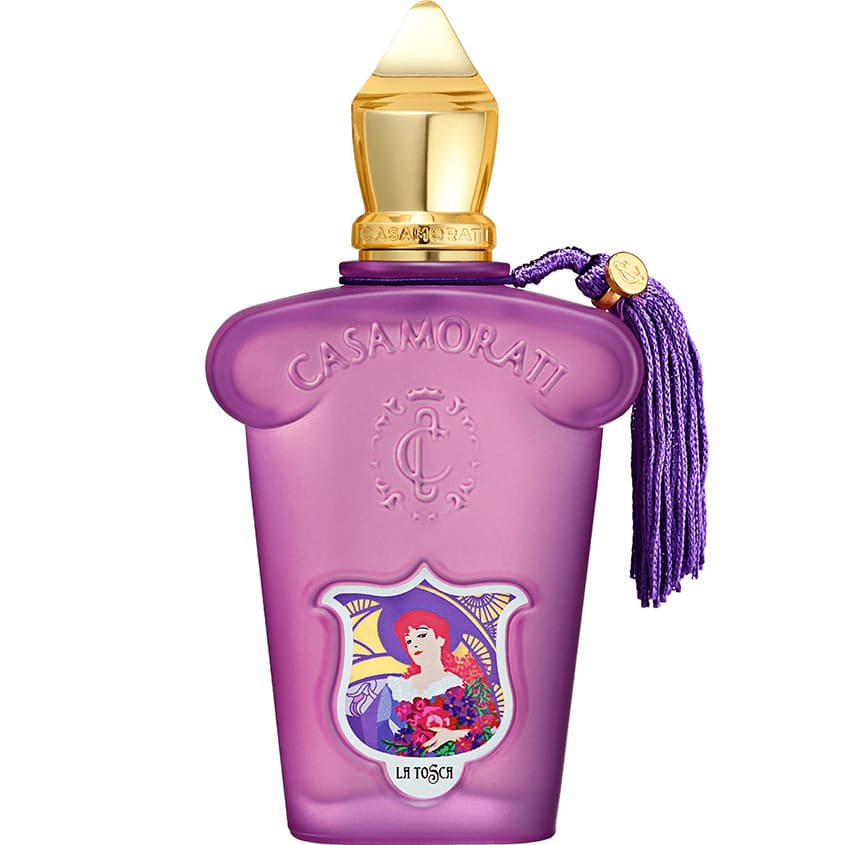
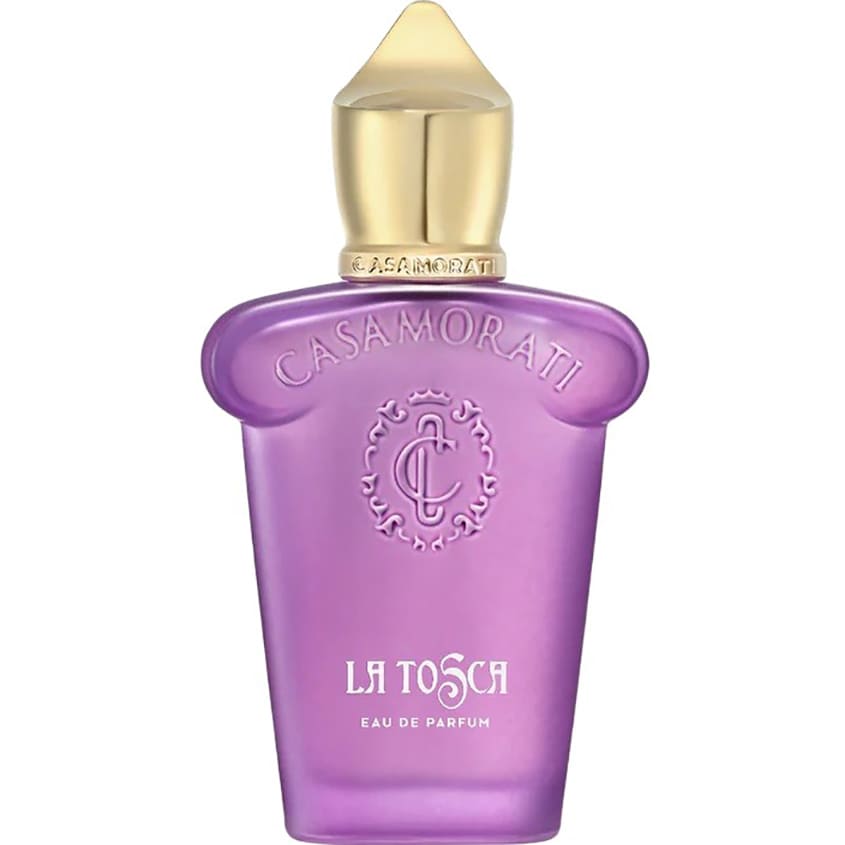
The inspiration for the creation of the La Tosca fragrance was the famous opera of the same name by Giacomo Puccini. It intertwines dramatic and solemn notes: the curtain opens to the leisurely sound of Italian lemon and green mandarin. The tension is heightened by a duet of Bulgarian rose and green violet, interrupted by a neat solo of eucalyptus. The final bow is given to amber, vanilla, musk, and patchouli.
The inspiration for the creation of the La Tosca fragrance was the famous opera of the same name by Giacomo Puccini. It intertwines dramatic and solemn notes: the curtain opens to the leisurely sound of Italian lemon and green mandarin. The tension is heightened by a duet of Bulgarian rose and green violet, interrupted by a neat solo of eucalyptus. The final bow is given to amber, vanilla, musk, and patchouli.
Specifications
Fragrance group
Oriental floral
Fragrance family
Floral
Gender
Unisex
Consumer category
For adults
Flavors
lemon, eucalyptus, musk, tangerine, patchouli, vanilla, ambergris, violet leaf, rose
Vegan
yes
Top Notes
Lemon, Mandarin
Base Notes
Patchouli, Musk, Amber, Vanilla
Heart Notes
Rose, Eucalyptus, Violet Leaf
Product volume
30 ml
Franchise
LA TOSCA
FranchLine
LA TOSCA
Product Type
Perfume water
Purpose
Flavors
Specifications
Fragrance group
Oriental floral
Fragrance family
Floral
Gender
Unisex
Consumer category
For adults
Flavors
lemon, eucalyptus, musk, tangerine, patchouli, vanilla, ambergris, violet leaf, rose
Casamorati is a revival of the legendary perfume house that became the first official supplier of perfumes to the Italian royal court. Founded in Italy in the 19th century, Casamorati has received numerous awards at national and international exhibitions throughout its existence. The 20th century proved difficult for many perfume houses, and after two world wars, the owners of Casamorati decided to close it. In the early 21st century, Italian designer and perfumer Sergio Momo, upon learning about the history of Casamorati, wanted to revive it, showcasing to the world the greatness of Italian perfume heritage. For Sergio Momo, Casamorati is the heart of Italy, Italian beauty, and the DNA of Italian perfumery. He spent several years gathering information from museums and additional years searching for suppliers. At the Casamorati perfume house, Sergio Momo combined ancient, costly distillation and extraction methods that have been forgotten in the modern world with contemporary perfumery technologies. Casamorati represents royal classicism in Italian perfumery with a modern interpretation.